How to Prevent Clogged Drains in Kitchen & Bathroom Fixtures
Clogged drains are one of the most common plumbing problems homeowners face. Whether it’s a slow-draining kitchen sink or a backed-up bathroom shower, blockages can disrupt your daily routine and even lead to costly repairs if ignored. The good news? Most drain clogs are preventable with a few simple habits and some routine maintenance. Here’s how to keep your kitchen and bathroom fixtures flowing freely.
Be Mindful of What Goes Down the Kitchen Sink
The kitchen sink handles everything from food scraps to grease, making it especially vulnerable to clogs. To prevent buildup:
- Avoid pouring grease or oil down the drain. Grease may go down as a liquid, but it cools and solidifies inside pipes, trapping other debris. Instead, pour cooled grease into a container and dispose of it in the trash.
- Scrape plates into the trash before rinsing. Even small food particles can accumulate over time.
- Use a sink strainer. A simple mesh strainer catches food scraps and prevents them from entering your plumbing system.
Even if you have a garbage disposal, remember that it’s not designed to handle everything. Fibrous foods (like celery), coffee grounds, eggshells, pasta, and rice can all contribute to clogs.
Protect Bathroom Drains from Hair & Soap Buildup
Bathroom drains commonly clog due to hair, soap residue, and personal care products. Over time, these materials combine to form stubborn blockages.
- Install drain covers in sinks and showers. These inexpensive tools catch hair before it enters the drain.
- Clean drain stoppers regularly. Remove and rinse them to prevent buildup.
- Limit product residue. Thick soaps, bath bombs, and heavy conditioners can contribute to soap scum accumulation inside pipes.
Taking a few minutes each week to clear visible debris can prevent major plumbing headaches later.
Flush Drains With Hot Water AVOID
Regularly flushing your drains with hot (not boiling) water can help dissolve minor grease and soap buildup before it becomes a clog. In kitchen sinks, this is especially helpful after washing dishes. For bathroom fixtures, occasional hot water flushes can help keep pipes clear of residue.
For added cleaning power, you can pour a mixture of baking soda followed by vinegar down the drain, then flush with hot water after 10–15 minutes. This natural solution helps break down mild buildup without harsh chemicals.
Avoid Chemical Drain Cleaners
Store-bought chemical drain cleaners may offer a quick fix, but frequent use can damage your pipes over time. These harsh products can corrode plumbing materials and worsen existing issues. If you notice slow drainage that doesn’t improve with basic maintenance, it’s better to consult a professional plumber who can safely diagnose and resolve the problem.
Schedule Routine Plumbing Maintenance
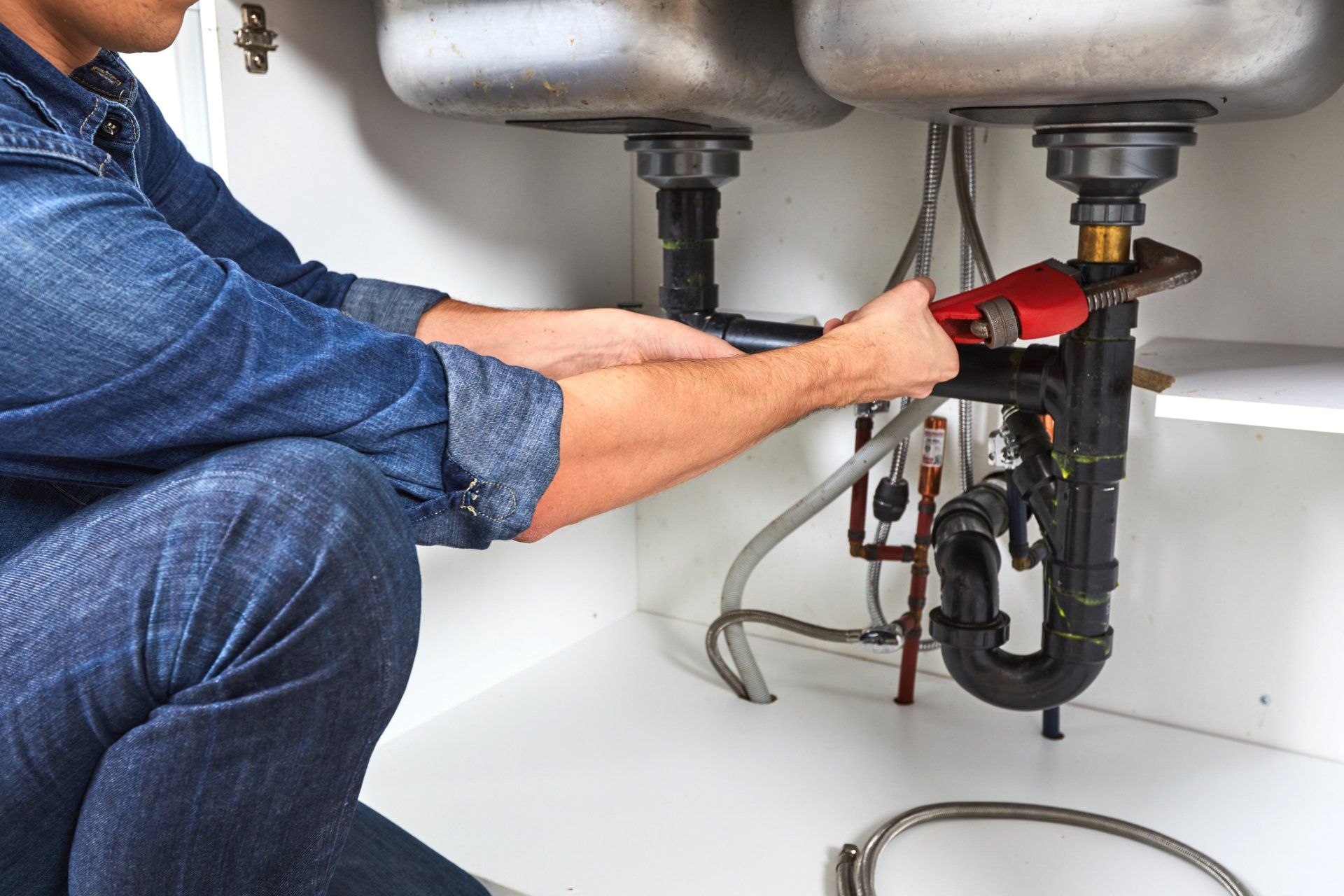
Preventative maintenance is one of the best ways to avoid clogged drains. A licensed plumber can inspect your pipes, identify early signs of buildup or damage, and perform professional drain cleaning if necessary. Routine maintenance not only helps prevent clogs but also extends the lifespan of your plumbing system.
Keep Your Drains Flowing Smoothly With Our Emergency Plumber
Preventing clogged drains in your kitchen and bathroom doesn’t require complicated tools or expensive products — just consistent, mindful habits. By being careful about what enters your drains, performing simple routine maintenance, and seeking professional help when needed, you can keep your plumbing system running efficiently year-round.
In the event that you do face a stubborn clog, don't hesitate to contact the emergency plumbers at DeFalco Plumbing & Heating. Our certified team members are proud to assist property owners across the Massapequa, West Babylon, Deer Park, and Bay Shore, NY communities.